
Wednesday, 26 August 2026
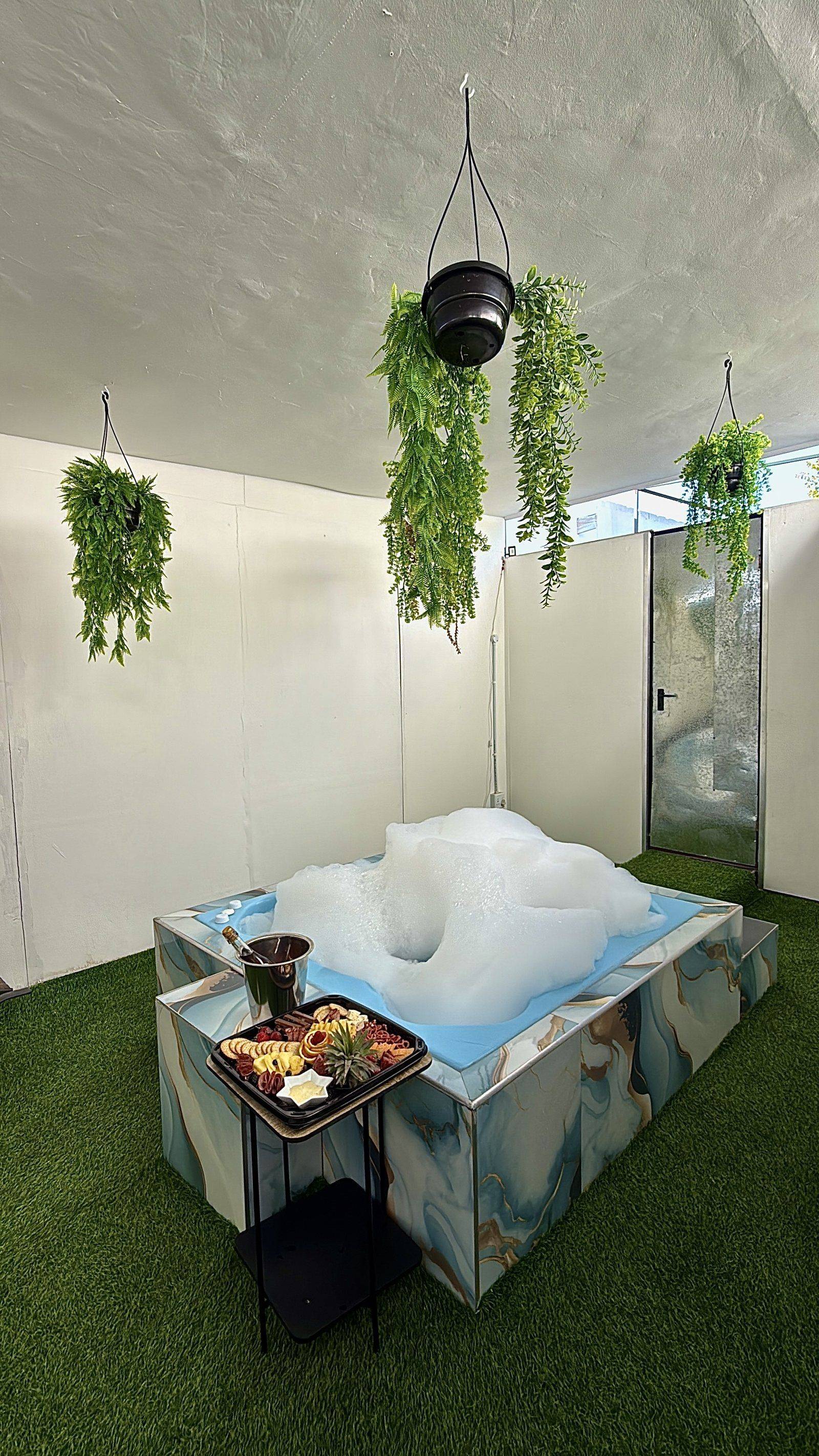
Most people book their first hydrotherapy session out of curiosity and leave wondering why nobody told them about it sooner. The treatment is simple in principle: you settle into a private tub of warm, moving water and let it do the work. In practice there is a rhythm to it, and knowing the rhythm beforehand makes the session better. Here is the honest version of what happens.
Before you arrive
Hydrotherapy is best booked for a day when you can go slow afterwards. The warm water relaxes you more than most people expect, and the treatment loses a little of its value if you sprint back into a packed schedule. Eat something light an hour or two before, drink water through the day, and skip the heavy perfume: the suite is a quiet space and strong scents carry. If you are pregnant, managing a heart condition, or recovering from surgery, tell us when you book so we can advise you properly or suggest an alternative.
Arrival and the first ten minutes
You will be shown to the suite and left alone to change. The room is private, dim, and warm, with everything you need within reach: robes, towels, water to drink. The tub fills and holds its temperature, so there is no waiting for heat and no moment of stepping into water that has gone lukewarm. Sit, lower yourself in, and give yourself a full minute before you judge anything. The first minute always feels like too little happening. That is the point.
What the water is doing
The moving water does three things at once. The warmth widens blood vessels near the skin, which helps muscles let go of the tension they have been holding. The pressure of the water itself gives your body something gentle to push against, which is why joints feel lighter in the tub than they do on land. And the movement, the slow churn of the jets, gives your nervous system a steady, repetitive signal that crowds out the busy one it was carrying. People fall asleep in these tubs with surprising regularity. Nobody here thinks that is a problem.
After the soak
When the session ends, rise slowly. Sit on the edge for a moment, drink the water, and let your blood pressure remember what it is doing. This is also when the treatment lands hardest: the half hour after a soak is when tight backs loosen and stiff knees start cooperating. If you can, book a massage in the same visit. Warm muscle tissue responds to massage better than cold tissue does, and the pairing is why our massage packages pair the two on purpose.
How often to come
Once is an experience. Once a fortnight is a habit your lower back will thank you for. Regular hydrotherapy is popular with people who sit at desks all week, runners nursing stubborn calves, and anyone who finds a massage table slightly too formal an idea. It is the most low-maintenance treatment on our menu: you bring nothing, you do nothing, and you leave lighter than you came.
The hydrotherapy suite takes single guests and pairs. If you have never tried it, book the slot after work one day this week, bring nothing but yourself, and see what half an hour of warm water does to a Windhoek week.